Choosing the Right Brushcutter for Your Skid Steer: A Comprehensive Guide

When it comes to maximizing the efficiency and performance of your skid steer, selecting the right brushcutter is crucial. Whether you’re clearing land, maintaining property, or tackling overgrown brush, the right brushcutter can make all the difference. In this guide, we’ll delve into key considerations like the size of your machine and the choice between standard flow and high flow to help you make an informed decision.

Understanding Your Skid Steer’s Size

The size of your skid steer plays a significant role in determining the appropriate brushcutter attachment. Here’s why:

  1. Width Compatibility:
    • Ensure the brushcutter’s width matches or is slightly wider than your skid steer’s width. This ensures optimal coverage and efficiency, allowing you to clear paths without missing spots or making multiple passes.
  2. Weight and Balance:
    • Heavier brushcutters can affect the balance and stability of smaller skid steers. It’s essential to choose an attachment that your skid steer can handle without compromising safety or maneuverability.
  3. Power Capacity:
    • The power of your skid steer determines the type of brushcutter it can operate effectively. Check your machine’s horsepower and hydraulic capacity to ensure it can support the brushcutter you choose.

Standard Flow vs. High Flow: Making the Right Choice

Hydraulic flow is another critical factor in selecting a brushcutter. Skid steers come with standard flow or high flow hydraulic systems, each affecting the performance of your attachments.

  1. Standard Flow:
    • Suitable For: Light to moderate brush cutting tasks.
    • Flow Rate: Typically between 15-25 gallons per minute (GPM).
    • Pros: More economical and compatible with a wider range of skid steers. Ideal for users who perform occasional brush clearing.
  2. High Flow:
    • Suitable For: Heavy-duty and commercial brush cutting tasks.
    • Flow Rate: Generally between 26-40+ GPM.
    • Pros: Delivers more power, enabling faster cutting and the ability to tackle denser vegetation and tougher brush. However, high flow attachments are typically more expensive and require a high flow skid steer system.

Key Features to Look For

When choosing a brushcutter, consider these essential features to ensure you’re getting the best performance for your investment:

  1. Blade Design:
    • Opt for brushcutters with robust, sharp blades designed to handle the type of vegetation you’ll be cutting. Some models come with swinging blades that can handle rocks and other obstacles without damage.
  2. Durability:
    • Look for high-quality materials and construction. Reinforced steel and protective features will prolong the life of your brushcutter.
  3. Ease of Maintenance:
    • Choose a model that offers easy access to blades and other components for maintenance and cleaning. This ensures your brushcutter stays in top condition with minimal downtime.
  4. Safety Features:
    • Safety should always be a priority. Look for brushcutters with features like debris guards and automatic shut-off mechanisms to protect both the operator and the equipment.

Conclusion

Selecting the right brushcutter for your skid steer is an investment in efficiency, performance, and safety. By considering the size of your machine and the type of hydraulic flow system, along with key features, you can ensure you’re making a choice that meets your specific needs. With the right brushcutter, your skid steer becomes a powerful tool for maintaining and transforming landscapes.
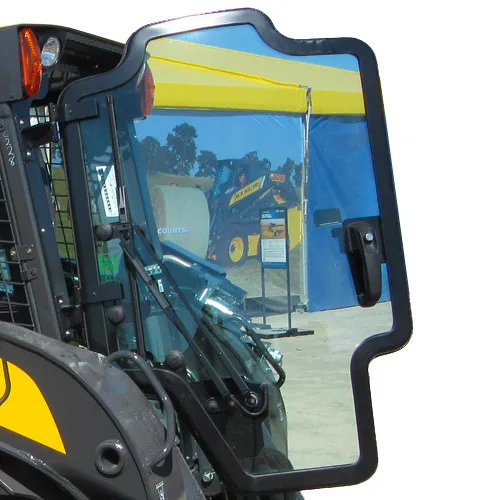
Safeguarding Skid Steer Operators: The Ultimate Polycarbonate Shield Solution

In the fast-paced world of construction and heavy machinery, ensuring the safety of operators is paramount. Among the various safety innovations, polycarbonate shields have emerged as a game-changer for skid steer operators. But what makes these shields so crucial, and why should you consider them for your fleet? Let’s delve into the world of polycarbonate shields and uncover their unparalleled benefits.

The Need for Enhanced Protection

Skid steer machines are versatile and powerful, making them indispensable on any construction site. However, their operation comes with inherent risks, especially from flying debris, falling objects, and unexpected impacts. Traditional glass or metal shields offer some protection, but they fall short in terms of durability and visibility. This is where polycarbonate shields come into play.

Why Polycarbonate?

Polycarbonate is a high-impact, transparent thermoplastic that boasts remarkable strength and clarity. Here’s why polycarbonate shields are the superior choice for skid steer operators:

1. Unmatched Durability

Polycarbonate is virtually unbreakable, offering up to 250 times the impact resistance of glass. This means it can withstand the toughest conditions, from high-velocity debris to heavy machinery collisions, keeping operators safe and secure.

2. Crystal Clear Visibility

Unlike legacy polycarbonate shields, new polycarbonate shields maintain exceptional clarity even after prolonged exposure to harsh environments. This ensures operators have an unobstructed view, enhancing operational efficiency and reducing the likelihood of accidents.

3. UV and Chemical Resistance

Polycarbonate shields are designed to resist UV rays and a wide range of chemicals, ensuring they remain clear and functional over time. This longevity makes them a cost-effective investment for any construction company.

4. Lightweight and Easy to Install

Despite their strength, polycarbonate shields are lightweight, making them easy to install and handle. This reduces the overall load on the skid steer and contributes to better fuel efficiency and maneuverability.

Real-World Applications and Benefits

Consider a busy construction site where debris is constantly flying around. A polycarbonate shield not only protects the operator from potential injuries but also ensures that operations continue smoothly without unnecessary downtime for repairs or replacements.

Moreover, in environments with hazardous chemicals, a polycarbonate shield provides a robust barrier, preventing any harmful substances from reaching the operator. This added layer of protection is invaluable in maintaining workplace safety standards.

Conclusion: Invest in Safety, Invest in Polycarbonate

In the realm of heavy machinery, safety innovations like polycarbonate shields are not just optional add-ons; they are essential components that ensure the well-being of operators and the seamless execution of projects. By investing in polycarbonate shields for your skid steers, you are prioritizing the safety of your operators while enhancing the overall efficiency and longevity of your equipment.

Upgrade your skid steers with polycarbonate shields today and witness the difference in performance and protection. Your operators deserve the best, and with polycarbonate, you’re giving them nothing less.